Designing club and team apparel: the complete guide to ordering
How to design and order consistent club and team apparel: the right fabrics, names and numbers, size sets, lead times, finishing and a clean approval process — explained step by step.
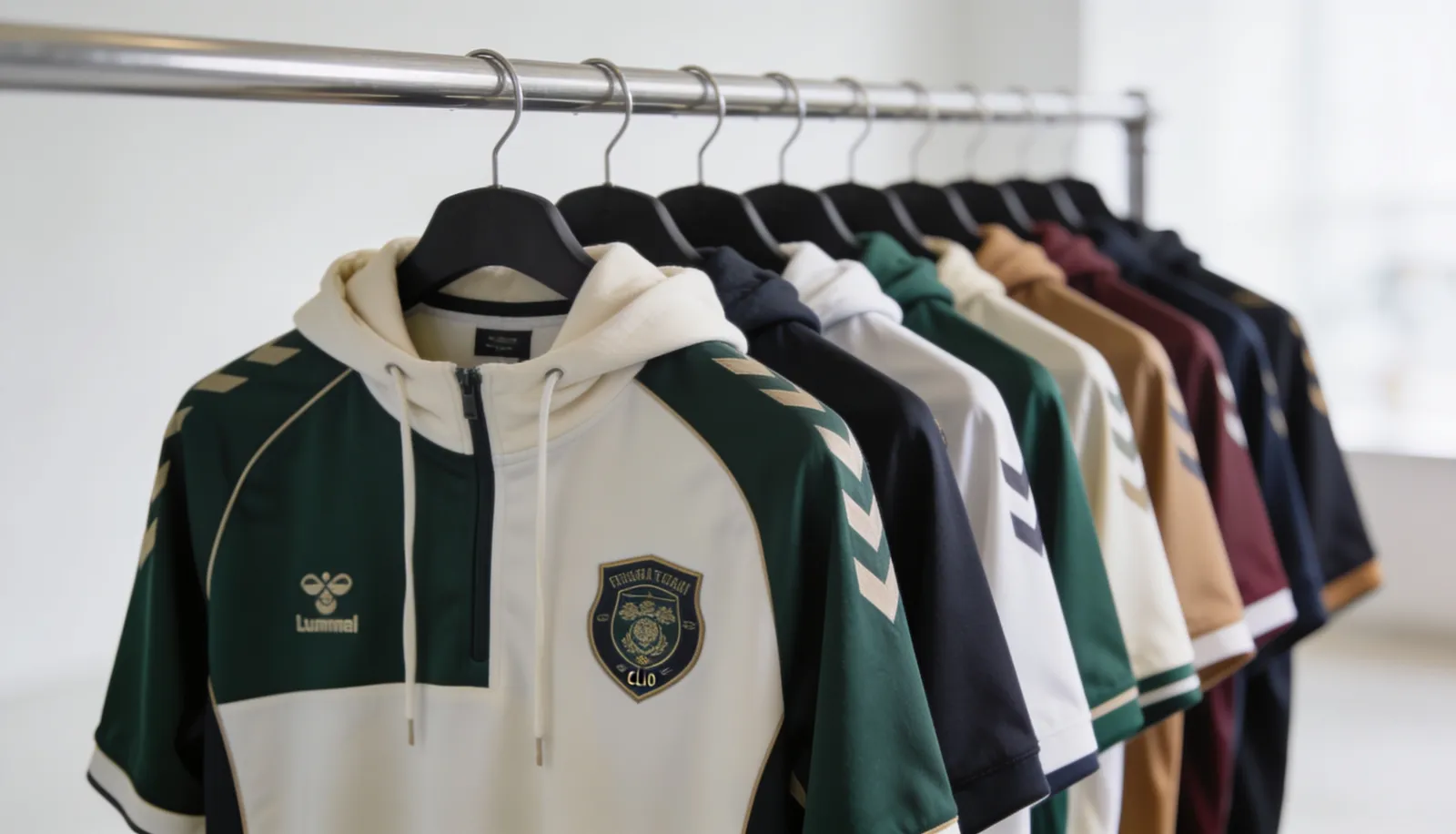
A consistent look turns a group into a team. Whether it’s a football club, a corporate running group or a school class: anyone designing their own club and team apparel quickly runs into a lot of detail questions — cut, sizes, names, deadlines. This guide walks you through design and ordering in clear steps, so everyone ends up looking like one coherent unit.
Step 1: Choose the right fabrics and cuts
Start with the product, not the design. Think about how the apparel will be used: training shirts need breathable performance fabrics, fan and leisurewear can be soft cotton, and polo shirts or sweatshirts suit official appearances.
Look for cuts that are consistently available in women’s, men’s and children’s sizes. Nothing looks less uniform than a team where half wear a unisex cut and the other half a fitted model. Also pick a base colour that matches your club colours and is available in every size you need.
Watch for re-orderability
Teams grow. Stick to common brands and models that stay available for years — that way you can re-order identical pieces for new members later, without any drift in colour or cut.
Step 2: Personalisation — names, numbers, logos
The consistent look comes from firm rules. Decide upfront what stays the same for everyone and what becomes individual:
- Same for everyone: club logo, sponsor logos, position and size of the designs
- Individual: name and squad number, optionally role (e.g. “Coach”)
Define a fixed typeface and a maximum character count for names, so long and short names sit consistently. For numbers, choose a clear, highly legible font. The easiest approach is to collect names and numbers in a spreadsheet with a size per person — it cuts down on back-and-forth enormously.
Step 3: Plan quantities and size sets
Never order “by feel”. Instead, have each member state their own size — ideally by trying on a sample garment. Plan a small reserve per size for latecomers.
With many finishing methods, the unit price drops as quantity rises. So it pays to bundle orders rather than ordering in several small waves. If you want to see live how quantity and finishing affect the price, design the team outfit directly in the configurator and see the price, including quantity discounts, in real time.
Step 4: Choose the right finishing
Whether names and numbers are printed or embroidered depends on the use case: embroidery looks premium and lasts forever, but is less suited to large, finely detailed areas. Printing is more flexible with colours and motifs. For jerseys with lots of changing names and numbers, printing is usually the more practical choice.
You’ll find a detailed comparison of the methods in our textile-finishing guide. If you’d rather handle design and finishing in one step, ShirtStore bundles both in one place — from the draft to the finished, decorated piece.
Step 5: Plan deadlines and lead time
The most common cause of stress with team apparel is time pressure. Count backwards from the date the apparel needs to be worn, and build in generous buffers for:
- Collecting all sizes, names and numbers
- Creating and approving the print artwork
- Production and finishing
- Shipping and any corrections
Lead times are longer just before season starts or tournaments. Ask for the concrete delivery time early and communicate an internal deadline to your team that sits well before the real delivery date.
Step 6: The approval process
Before production, a digital draft (a so-called proof) should always be approved. Check carefully for:
- The spelling of every name (the most common error!)
- Correct numbers and their assignment
- Position, size and colour of the logos
- Completeness of the size list
Ideally, have a second person proofread the approval. A typo in a name otherwise only shows up on the finished jersey — and re-production costs time and money.
Tips for a consistent look
- One point of contact collects all the data — not everyone ordering individually.
- Fix placements to the millimetre and reuse them across all pieces.
- Document colours, fonts and logo files in a small “brand sheet” for re-orders.
Large order? Here’s how to get advice quickly
Big orders with many sizes and special requests often raise detail questions. Through our AI-powered customer engagement you get fast answers around the clock on availability, finishing and lead times — and for complex projects we hand you over to personal advice. That way, nothing stands between your team and a truly consistent appearance.
Related ventures
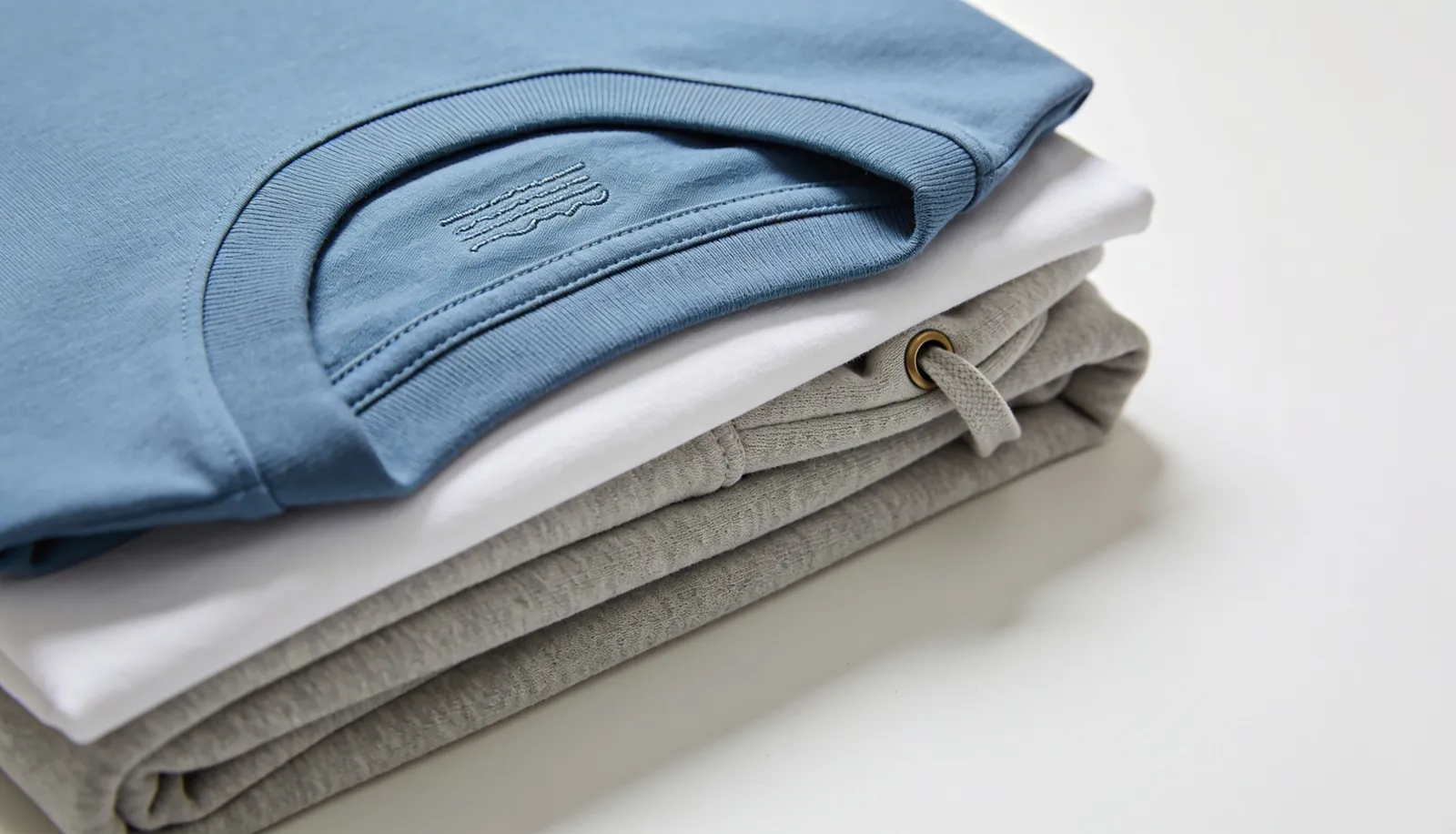
ShirtStore
Design branded apparel yourself — print, embroidery and a live configurator in one shop.
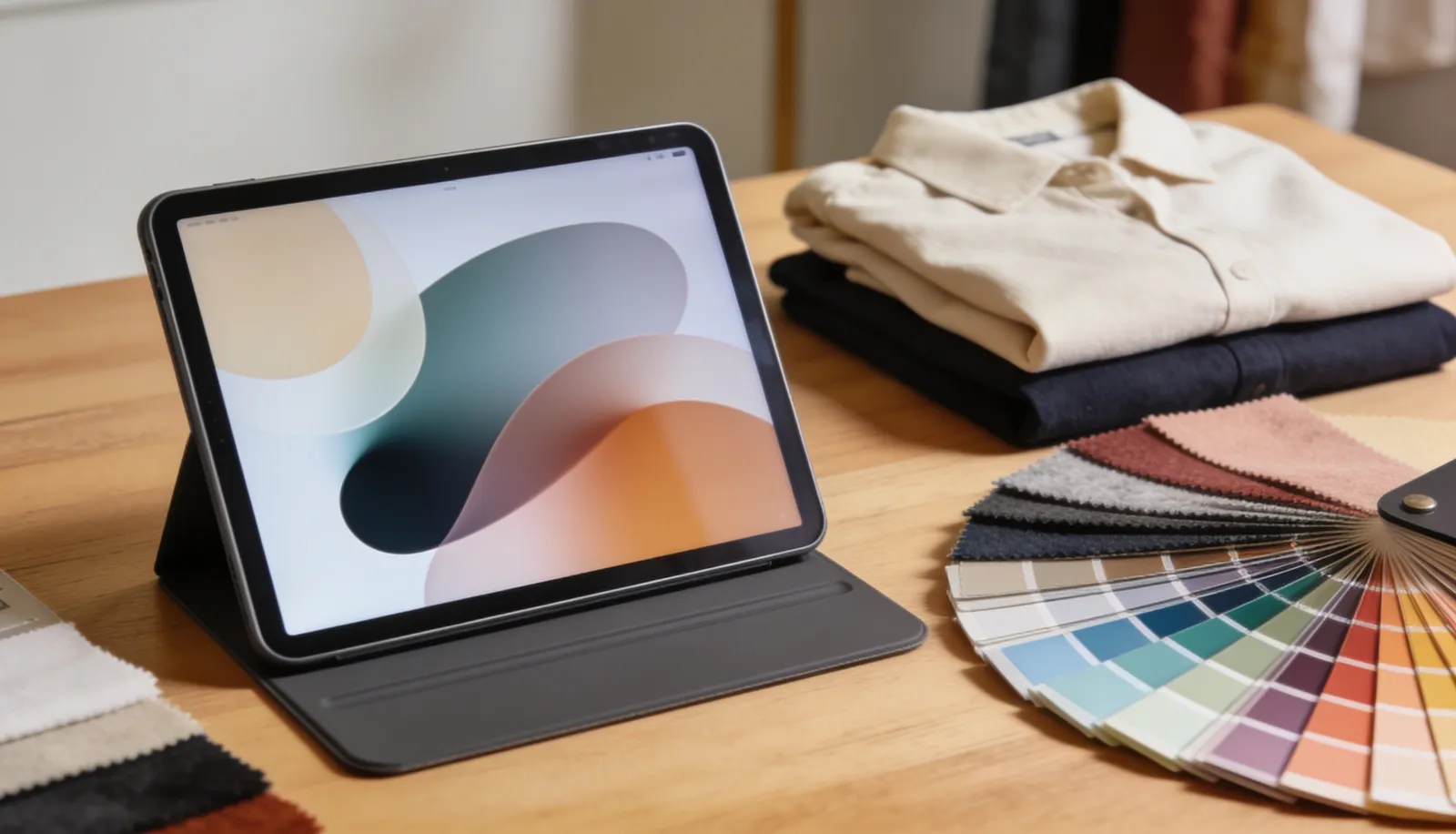
Der Konfigurator
Our in-house configurator platform: real-time pricing, live preview, multi-shop ready.

KI-Kundenkommunikation
AI-assisted advice and lead qualification — around the clock, multilingual.